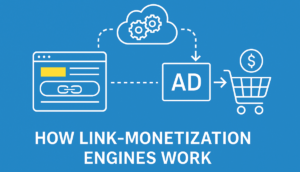
An affiliate network is a platform and operational layer that connects advertisers with publishers so they can run performance-based partnerships more efficiently. Advertisers bring products, services, budgets and campaign rules. Publishers bring audiences, traffic sources and promotional expertise. The network helps the two sides discover one another, track referred activity, report performance and handle practical processes such as approvals and payments.
That does not mean every network works in exactly the same way. Some are primarily technology platforms, while others also provide account management, publisher recruitment, offer recommendations, compliance support and market guidance. The useful question is therefore not only what an affiliate network is, but which parts of the partnership it actually manages.
The basic role of an affiliate network
Without a shared network, an advertiser that wants to work with twenty publishers may need to create twenty separate technical and commercial relationships. Each publisher may need separate links, reporting access, payment arrangements and support contacts. An affiliate network reduces that fragmentation by giving many advertisers and publishers a common environment in which to work.
The network normally sits between the two sides rather than replacing either of them. The advertiser still needs a competitive offer, a reliable landing experience and clear campaign terms. The publisher still needs relevant traffic and a credible way to influence users. The network makes the relationship easier to activate and manage.
Step 1 — Advertisers create or add affiliate offers
The advertiser starts by defining what the campaign is designed to achieve. That could be an approved ecommerce sale, a subscription, a qualified lead, an app registration or another measurable action. The campaign also needs commission terms, accepted GEOs, approved traffic sources, attribution rules, landing pages and validation criteria.
Once those elements are ready, the offer can be made available through the affiliate network. A well-structured offer gives publishers enough information to judge whether their traffic is suitable before they invest time in promotion.
For example, a travel advertiser may accept editorial, SEO and email traffic in several European markets but restrict brand bidding in paid search. Making those rules visible early reduces wasted traffic and future disputes.
Step 2 — Publishers discover opportunities
Publishers use an affiliate network to search for advertisers and campaigns that fit their audiences. A content publisher focused on travel may look for insurance, accommodation, transport or booking services. A publisher running paid acquisition may focus more heavily on conversion economics, landing-page performance and allowed media channels.
Offer discovery should go beyond payout size. A high commission is not valuable if the offer is irrelevant to the audience, unavailable in the publisher’s main GEO or difficult to convert. Strong networks help publishers understand fit, not simply browse a long catalog.
This is why the next article, How to Choose the Best Affiliate Network for Your Business, focuses on evaluation criteria rather than treating every network as interchangeable.
Step 3 — Publishers apply or receive approval
Many advertisers do not automatically accept every publisher. The advertiser or network may review the publisher’s website, social channel, email activity, paid-media model, traffic sources or target markets before access is granted.
This approval stage protects both sides. The advertiser gains more control over where its brand appears. The publisher avoids building a campaign around an offer that does not accept its traffic model.
Publishers should be transparent during onboarding. If most traffic comes from paid social, that should be stated. If a site relies on organic search, the advertiser should know that too. Accurate traffic information makes it easier for an affiliate network to match campaigns appropriately.

Step 4 — Tracking records referred activity
Once a publisher is approved, the network provides a tracking link or another supported tracking method. When a user clicks and later completes the required action, the system records the conversion according to the campaign’s attribution rules.
Reliable tracking is central to trust. Publishers need confidence that valid conversions are credited. Advertisers need confidence that reported conversions came from permitted activity and meet the program rules.
Modern tracking can involve browser-based identifiers, first-party tracking, server-to-server integrations or hybrid setups. The exact implementation varies, but the commercial purpose is the same: connect a valid user action back to the publisher responsible for the referral.
Step 5 — Conversions are validated
A recorded conversion does not always become a payable conversion. Ecommerce orders may be canceled or refunded. Lead-generation actions may be duplicated, incomplete, fraudulent or outside the approved GEO. The advertiser reviews results according to the campaign’s validation rules.
An affiliate network can make those statuses visible in reporting and help investigate unusual changes. Publishers should monitor approval rate as well as raw conversion volume because a campaign with many recorded actions but heavy rejection may be less valuable than a smaller campaign with strong validation.
A useful example is a publisher generating 100 leads with 45 approved compared with another generating 70 leads with 64 approved. The first has more raw volume, but the second is likely creating substantially more commercial value.

Step 6 — Reporting supports optimization
Networks collect performance data so publishers and advertisers can understand what is working. Publishers can compare campaigns, pages, audiences, devices and GEOs. Advertisers can evaluate publisher segments, conversion quality and revenue contribution.
The most useful reporting leads to a practical next step. If one GEO produces strong conversions and another generates clicks without approved actions, targeting may need adjustment. If one content format creates unusually high approval rates, the publisher may build more content around that decision stage.
This is where the affiliate network becomes more than a tracking dashboard. Strong account support can help both sides interpret performance and coordinate tests.
Step 7 — Payments and administration are coordinated
After conversions are approved and advertiser funding conditions are met, publishers receive commission. Many networks simplify administration by consolidating earnings from several advertisers into one payment process.
Publishers should still understand payment schedules, currencies, thresholds, reversals and invoicing requirements. A network can centralize administration, but it does not remove the need to read commercial terms carefully.
Advertisers also benefit from having publisher balances, campaign records and reporting managed in a consistent system rather than across many independent arrangements.
What should publishers expect from a good network?
A useful affiliate network should provide clear campaign information, reliable tracking, understandable reporting, transparent validation, dependable payment processes and support when offer terms change. It should also offer enough advertiser variety to create meaningful testing opportunities without encouraging publishers to promote irrelevant campaigns.
Publishers should be able to identify what traffic is accepted, which GEOs are active, what action creates commission and what happens when a conversion is rejected. Ambiguity creates operational friction and makes optimization difficult.
What should advertisers expect?
Advertisers should expect access to relevant publisher relationships, visibility into traffic sources, controls for quality and compliance and a process for improving performance over time. The objective is not simply to generate the largest possible click count. It is to find publisher relationships that create approved, profitable outcomes.
This practical relationship is closely connected to the article How Affiliate Networks Connect Publishers and Advertisers. The difference here is the broader explanation of what the network is and which operational functions it performs.
An affiliate network works best when it improves coordination between publishers and advertisers rather than adding another layer of complexity. EncoreAff connects both sides around performance-led opportunities, helping publishers explore relevant campaigns and helping advertisers work with suitable traffic partners across markets and verticals.