
Content commerce has become one of the most accessible ways for creators, publishers and businesses to generate meaningful revenue online. By blending useful content with curated product recommendations, brands can build a steady income stream without compromising quality or authenticity. This guide introduces newcomers to the essentials so they can approach content commerce with confidence, clarity and long term potential.
TLDR
Content commerce works when creators publish valuable content that naturally integrates product recommendations, earning a commission when readers make a purchase. Beginners succeed by understanding their audience, choosing relevant products, maintaining trust, and building consistent content that encourages engagement and conversions.
Understanding How Content Commerce Works
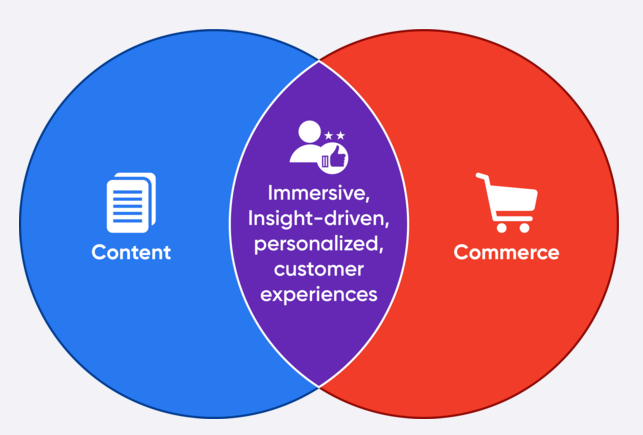
Content commerce gives publishers a way to monetise content without relying solely on ads or sponsorships. When done well, it feels natural and supportive rather than sales driven. The idea is simple, yet the greatest results come from thoughtful execution.
Successful publishers build value first. Readers trust sources that help them make informed decisions, and this trust becomes the foundation of a sustainable content commerce strategy.
What Makes Content Commerce Effective for Beginners
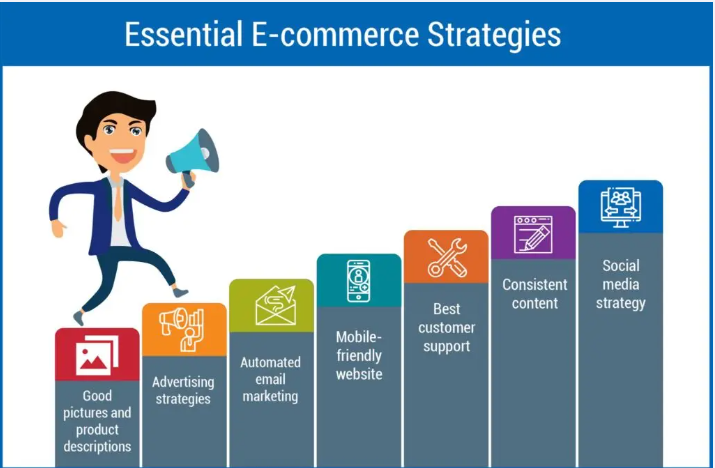
Content commerce lowers the barrier to entry because it does not require a product of your own. Beginners can start by sharing lived experiences, expert opinions or practical advice that helps readers understand what to buy and why.
This model suits blogs, newsletters, social channels and niche websites. Beginners often find that the more specific their topic, the easier it becomes to choose products that resonate.
How to Choose the Right Products to Recommend
Product selection matters more than volume. The most effective content highlights items that match the needs or interests of the audience. Strong alignment creates trust and increases conversion potential.
Beginners benefit from exploring categories they already know well. Familiarity strengthens credibility and helps creators speak confidently about the products they promote.
A Single Bulletpoint Section
-
Audience understanding helps guide product selection and content direction.
-
Trust increases when recommendations feel honest and experience based.
-
Relevant content drives long term engagement and repeat visits.
-
Strong product alignment supports better conversion rates.
-
Tracking performance helps refine ongoing content decisions.
-
Transparent disclosure maintains integrity and strengthens reader loyalty.
Building Content That Encourages Conversions
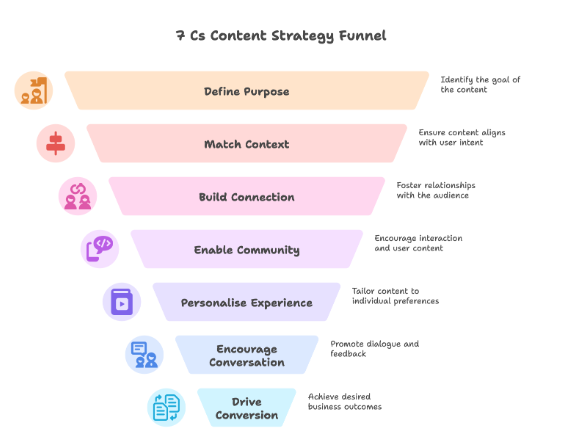
Value always leads the way. Readers want content that clarifies, simplifies or enriches their decision making. Beginners should focus on helpful articles such as comparisons, guides, beginner explainers and real world reviews.
Clear structure improves readability. When content feels easy to scan, readers stay longer and engage more. Short paragraphs, simple language and direct insights help guide visitors to the products that suit their needs.
The Importance of Trust in Content Commerce
Trust shapes every outcome in content commerce. Publishers who exaggerate claims or recommend products they do not believe in often lose credibility quickly. Beginners should approach content commerce as a long term relationship with their audience, not a short term opportunity.
Authenticity strengthens loyalty. When readers feel understood and supported, they return, share content and take action more confidently.
Using Data to Improve Content Over Time
Even simple performance tracking can reveal what resonates. Beginners do not need advanced tools to succeed. Basic insights such as click through rates, page engagement and conversion patterns show what works and what needs adjustment.
Data also highlights which topics generate the most interest. Over time, this helps beginners build a content plan that blends high performing evergreen topics with fresh ideas.
Growing Through Consistency and Clarity
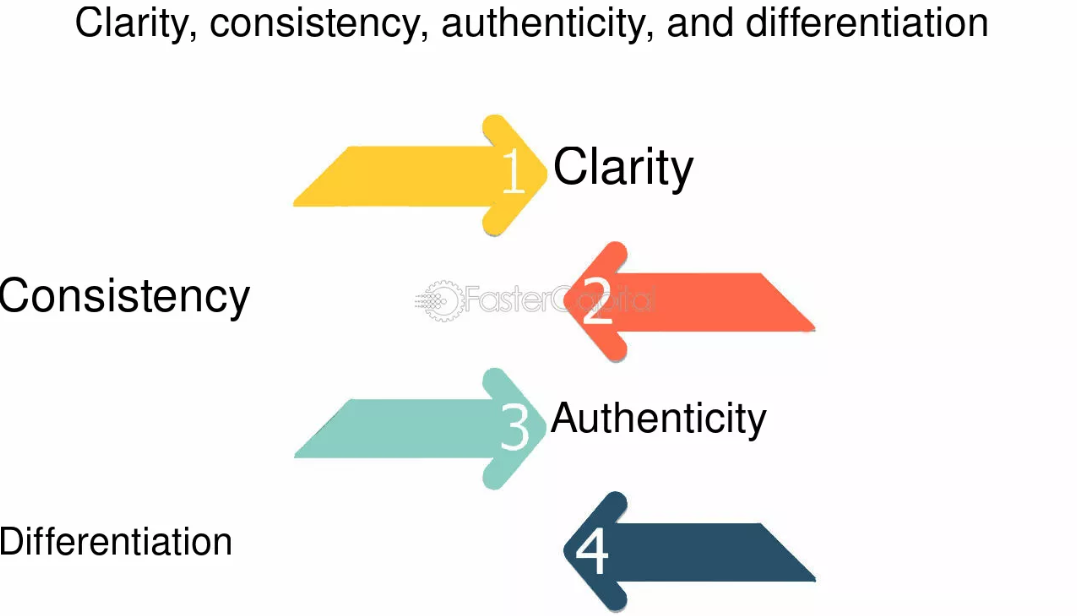
Content commerce rewards patience and steady effort. Beginners who publish regularly build visibility and authority over time. Each new piece of content creates another opportunity to reach new audiences and refine their approach.
Consistency strengthens voice and improves writing quality, helping publishers communicate more effectively with each new article.
Avoiding Common Beginner Mistakes
New creators often overwhelm readers with too many product links. A more selective approach keeps content focused and prevents distraction. Another common mistake is expecting immediate results. Content commerce grows gradually and strengthens with ongoing optimisation.
Beginners should also avoid copying others too closely. Unique insight and personal perspective help create content that stands out and feels more trustworthy.
Creating a Path That Supports Long Term Earning
The most successful publishers treat content commerce as part of a broader content strategy. When helpful information, trust and relevance come together, monetisation becomes seamless. Over time, this creates a stable earning model that adapts to new platforms, trends and audience habits.
Beginners can start slowly, refine their process and expand their presence as they gain confidence. With steady effort, content commerce becomes a natural extension of their creative work and a meaningful source of income.