Affiliate ecosystems bring together three groups that shape how online revenue flows, each with different goals yet each dependent on the others. Understanding how these relationships operate helps brands, creators and businesses navigate the system with more confidence. This guide breaks down the roles within an affiliate ecosystem and explains how they work together to create sustainable performance.
Affiliate marketing relies on connection, coordination and clarity between participants. When networks, publishers and advertisers understand one another, the entire ecosystem becomes more efficient and more rewarding for everyone involved.
TLDR
Affiliate ecosystems operate through clear roles where advertisers offer products, publishers create content and networks manage the connection between both. Each part works best when communication stays open, goals stay aligned and value flows in both directions. Knowing how these relationships function helps brands and publishers build stronger strategies that grow steadily over time.
The Core Structure Behind Affiliate Ecosystems

Affiliate ecosystems work through a simple idea. A brand wants more customers and a publisher wants to earn by sending them. In the middle sits a network connecting both sides. While the concept is simple, the mechanics rely on trust and coordination. Advertisers need dependable exposure. Publishers need fair payment. Networks need consistent activity to keep both groups engaged. This balance makes the ecosystem function smoothly.
The clearer each group understands its role, the easier it becomes to build sustainable partnerships. When participants know what to expect, affiliate relationships feel reliable rather than uncertain.
What Each Group Contributes to the Ecosystem
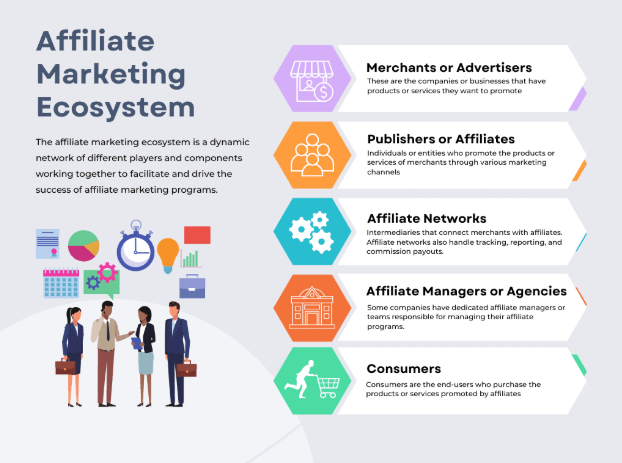
Advertisers supply the products or services. Publishers create the content that inspires action. Networks handle tracking, reporting and payment. Each one plays a unique part that strengthens the ecosystem. Advertisers rely on publishers for reach and creative guidance. Publishers rely on advertisers for high quality offerings that appeal to their audience. Networks provide structure so data, trust and processes stay consistent.
When all three understand how their work overlaps, affiliate performance becomes easier to manage. Shared clarity supports better communication and stronger long term results.
A Single Bulletpoint Section
-
Advertisers provide products that align with publisher audiences.
-
Publishers build trust through valuable content that encourages action.
-
Networks create a reliable system for tracking and payouts.
-
Collaboration improves when each group understands its specific role.
-
Transparency strengthens relationships across the ecosystem.
-
Clear goals help every participant grow with purpose.
How Advertisers Benefit From Structured Ecosystems
Advertisers join affiliate ecosystems to reach audiences they may not access through traditional channels. They want exposure that feels genuine and aligned with their brand. Publishers help achieve this by weaving products naturally into trusted content. When that content resonates, advertisers gain more qualified traffic and better conversion potential. This makes the ecosystem appealing for brands building long term digital strategies.
Advertisers also value the predictable structure networks provide. Tracking becomes consistent and performance metrics become easier to interpret. This clarity helps them adjust commissions, refine creatives and strengthen their partnership approach.
How Publishers Shape the User Journey
Publishers act as the connection point between information and action. Their content guides readers toward decisions by offering clarity, comparison or reassurance. In an affiliate ecosystem, publishers hold significant influence because they build relationships with audiences and create trust around product recommendations.
When publishers choose partners carefully, their content feels helpful rather than promotional. This increases the likelihood of conversions. Publishers who understand their audience can shape the journey so each recommendation supports real needs rather than generic assumptions.
Why Networks Keep Everything Running Smoothly
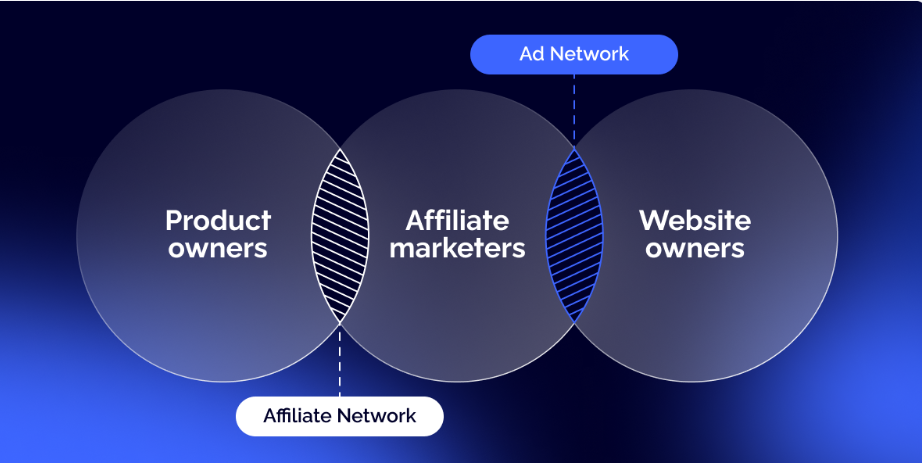
Networks sit at the centre of the ecosystem to make sure all parts work together without friction. They handle technical tracking, manage payments and ensure transparency for both advertisers and publishers. Without networks, it becomes difficult to trust data or maintain consistent performance.
They also act as a support system for beginners. Networks offer guidance on best practices and sometimes connect publishers with advertiser programmes that match their audience. This helps new participants enter the ecosystem with more confidence.
How Collaboration Strengthens Results
The most successful affiliate ecosystems grow through active collaboration. Advertisers share insights on product performance. Publishers give feedback on what readers respond to. Networks help interpret data so everyone understands what is working. When communication flows in all directions, decisions become more effective and campaigns improve.
Collaboration also encourages flexibility. Advertisers may adjust commission rates for seasonal moments or product launches. Publishers may create new content formats that match emerging interests. Networks may introduce tools that simplify tracking and optimisation. Each change contributes to a stronger ecosystem overall.
Why Trust Drives Every Part of the System
Trust sits at the heart of affiliate ecosystems. Publishers trust that networks will track conversions accurately. Advertisers trust that publishers represent their brand responsibly. Readers trust publishers to recommend only what feels relevant and authentic. When trust stays strong, the ecosystem functions smoothly. When trust breaks, results decline.
Clear communication, transparent processes and honest content create the foundation that keeps everything healthy. Participants who prioritise trust often see more stable performance and long term success.
The Power of Alignment in Affiliate Ecosystems
Affiliate ecosystems rise or fall on alignment. Product fit, publisher voice and advertiser goals must work together. When alignment is strong, content feels natural and conversions increase. When alignment is weak, results suffer. Newcomers benefit from spending time understanding where their strengths lie before joining the ecosystem.
Alignment around quality, clarity and mutual benefit helps networks, publishers and advertisers build relationships that last. A well aligned ecosystem feels supportive, predictable and rewarding for every participant.
Building a Sustainable Future in Affiliate Marketing
Affiliate ecosystems will continue to evolve as new platforms emerge and audience behaviour changes. Those who understand how networks, publishers and advertisers operate together will navigate these shifts more confidently. With a clear view of each role, beginners can enter the ecosystem with realistic expectations and a solid foundation for growth.
Affiliate ecosystems reward intention, communication and trust. When each participant contributes thoughtfully, the entire system becomes a powerful engine for digital success.