
In today’s competitive digital landscape, publishers walk a fine line between generating revenue and maintaining a seamless, enjoyable user experience. While aggressive monetization can deliver short term earnings, it often undermines long term engagement and audience trust. A publisher first monetization strategy ensures that revenue growth aligns with user satisfaction, ultimately creating a sustainable ecosystem.
Key Points
- A publisher first approach values long term audience loyalty over short lived monetization gains
- Good UX boosts ad performance, retention and organic growth
- Smart ad placements and formats reduce disruption while increasing revenue
- Data driven personalization enhances relevance without invading privacy
- Balanced monetization supports both publisher goals and user expectations
A Publisher First Mindset
A publisher first strategy prioritizes the user at every step of monetization planning. Rather than letting ads dictate design, layout or content structure, the publisher controls the environment to ensure the user journey remains intuitive, clean and enjoyable.
This mindset shifts the focus from maximizing impressions to maximizing value. Publishers who understand their audience’s behavior and preferences can introduce monetization elements that complement rather than obstruct the content experience.
Key focus areas
- Creating a content environment where monetization supports, not interrupts, discovery
- Designing page layouts that feel natural and friction free
- Maintaining device specific consistency across mobile and desktop
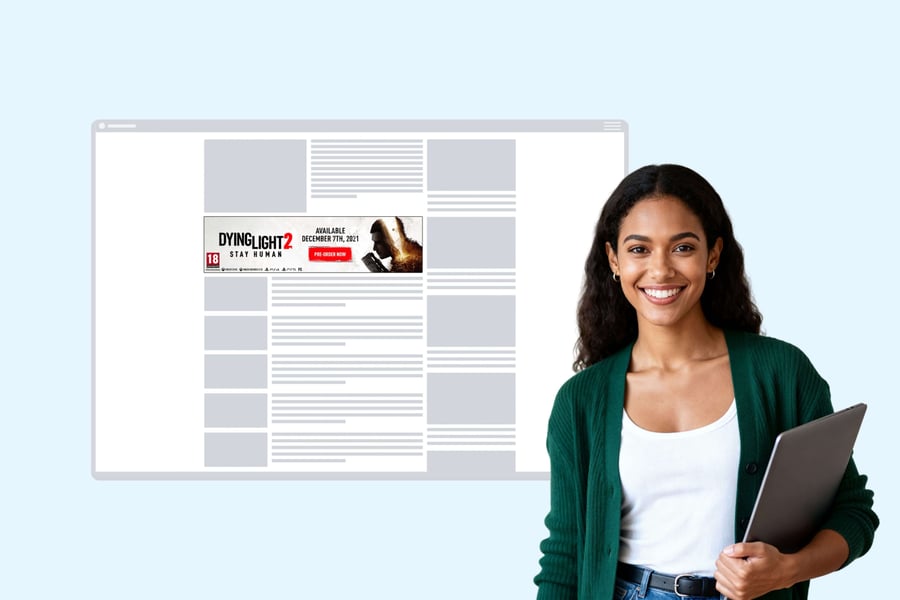
How UX Drives Monetization Success
User experience is directly tied to engagement metrics such as scroll depth, session duration and return visits. These metrics, in turn, influence how well ads perform.
UX factors that enhance monetization
- Faster page loads improve ad viewability
- Cleaner layouts reduce banner blindness
- Contextually relevant ad placements increase CTR
- Smooth navigation encourages deeper page consumption
When users feel respected, they stay longer, explore more content and are more receptive to monetized elements.
Smart Ad Formats That Preserve UX
Choosing the right ad formats is crucial for balancing revenue and experience. The challenge is to incorporate monetization without interrupting the natural content flow.
Recommended formats for a publisher first approach
- Sticky but unobtrusive display ads that stay in view without blocking content
- In article native ads that blend contextually within the reading experience
- Reward based ads for publishers who offer premium actions like downloads or resources
- Lazy loading ads that improve speed and reduce clutter
Formats to avoid or use sparingly
- Ads covering key UI elements
- Excessive pop ups or auto play videos
- Too many ad placements within short content pieces

Personalization Without Intrusion
Personalization enhances user satisfaction when done respectfully. Data driven customization should never feel invasive or manipulative.
Ways to personalize ethically
- Showing ads relevant to content categories rather than personal data
- Recommending related articles to increase session depth
- Adjusting ad frequency for returning users to avoid fatigue
- Offering user controlled ad preference or feedback options
This approach strengthens trust and improves the user’s sense of control.
Optimizing Site Performance for Better Revenue
A fast, well optimized website is essential for retaining users and ensuring ads perform. Even the best monetization strategy fails on a slow, cluttered site.
Performance enhancing practices
- Compressing images and scripts
- Implementing lazy loading for content and ads
- Cleaning up unused plugins or code
- Using a CDN for global content delivery
With these optimizations, publishers can deliver a smoother experience while improving viewability and engagement.

Pros of a Publisher First Monetization Strategy
- Builds long term user loyalty
- Enhances brand credibility and trust
- Improves ad performance naturally
- Reduces bounce rates and increases retention
- Creates a sustainable and scalable revenue model
Cons to Consider
- Requires more strategic planning and testing
- Short term revenue may appear lower compared to aggressive ad stacking
- Demands collaboration between UX designers, ad operations and editorial teams
Conclusion
Monetizing without compromising UX is not only achievable but essential for modern publishers aiming to grow sustainably. A publisher first approach protects the integrity of the content experience while empowering monetization to thrive organically. By focusing on thoughtful ad implementations, ethical personalization and overall site performance, publishers can create an environment where users stay engaged and revenue continues to rise.