
Affiliate marketing is built around measurable performance, but that same performance-based model can attract attempts to manipulate clicks, leads, conversions and attribution. Affiliate fraud happens when someone deliberately creates or claims activity that does not represent genuine customer value. That can include bot-generated clicks, fake leads, cookie stuffing, unauthorized brand bidding, misleading traffic sources or attempts to claim commission for conversions an affiliate did not genuinely influence. The consequences affect every part of the ecosystem.
Advertisers may pay for worthless actions, legitimate publishers can lose commissions or trust, and affiliate networks must spend more time validating traffic and resolving disputes. Understanding how fraud works is therefore not only a compliance issue; it is an essential part of protecting sustainable performance marketing.
What Is Affiliate Fraud?
Affiliate fraud refers to deliberate activity designed to manipulate an affiliate program’s tracking, attribution or payment system for financial gain. In a legitimate campaign, a publisher introduces a real user to an advertiser, that user completes a qualifying action, and the publisher receives commission according to the agreed terms. Fraud breaks that chain by manufacturing activity, misrepresenting its source or taking credit for a conversion that would have happened without the affiliate’s genuine involvement. The fraudulent action may look like a click, lead or sale inside a dashboard, but it provides little or no real commercial value to the advertiser.
Not every poor-quality conversion is fraud. A user can click an affiliate link and simply decide not to buy, while a lead may later prove unqualified for completely legitimate reasons. Fraud involves intentional manipulation or prohibited behaviour rather than ordinary campaign underperformance. This distinction matters because networks and advertisers need evidence before rejecting commissions or closing publisher accounts. EncoreAff’s Fraud Detection in Affiliate Networks: What Actually Happens Behind the Scenes explains how automated monitoring and manual reviews can help distinguish suspicious behaviour from normal performance variation.

What Are the Most Common Types of Affiliate Fraud?
Affiliate fraud can occur at different points in the customer journey, which is why no single fraud-detection rule can identify every problem. Bot traffic may inflate clicks without producing genuine interest, while fake leads can create apparently successful CPL performance using fabricated or automated information. Cookie stuffing attempts to place affiliate identifiers on users who never intentionally engaged with the publisher, allowing the fraudster to claim later conversions. Click spamming follows a similar principle by generating large numbers of low-quality clicks in the hope that one receives attribution for a legitimate purchase.
Other forms are more closely connected to traffic-source rules. Unauthorized brand bidding can involve affiliates purchasing paid-search ads on an advertiser’s protected brand terms and then collecting commission from customers who were already searching directly for that company. Incentivized traffic may also become fraudulent when a publisher hides incentives or misrepresents them as organic conversions. The common feature is that the affiliate is attempting to create commission without delivering the genuine incremental value the advertiser expected when the partnership was approved.
What Warning Signs Can Suggest Affiliate Fraud?
Fraud detection usually begins with patterns rather than one isolated metric. Networks and advertisers may investigate traffic when several unusual signals appear together:
- Extremely high click volumes with very little engagement may indicate bots or automated traffic.
- Conversion rates that suddenly jump far above normal ranges can justify closer investigation.
- Very short click-to-conversion times may suggest attribution manipulation in some campaign types.
- Repeated devices, IP addresses or similar user data can appear in fake-lead activity.
- Unexpected GEOs may indicate that traffic is coming from markets the publisher was not approved to target.
- Large volumes of identical lead information can point toward automated submissions.
- Hidden or undeclared traffic sources can create serious compliance concerns.
- Unusual brand-search activity may indicate unauthorized paid-search bidding.
- High cancellation, refund or chargeback rates can reveal low-quality or manipulated transactions.
- Sharp performance changes without a clear traffic explanation deserve further review.
None of these signals automatically proves fraud. Legitimate campaigns can experience viral traffic spikes, seasonal increases or unusually strong conversion periods. Strong fraud prevention therefore uses patterns as triggers for investigation rather than assuming every unusual result is malicious.
How Does Click Fraud Affect Advertisers?
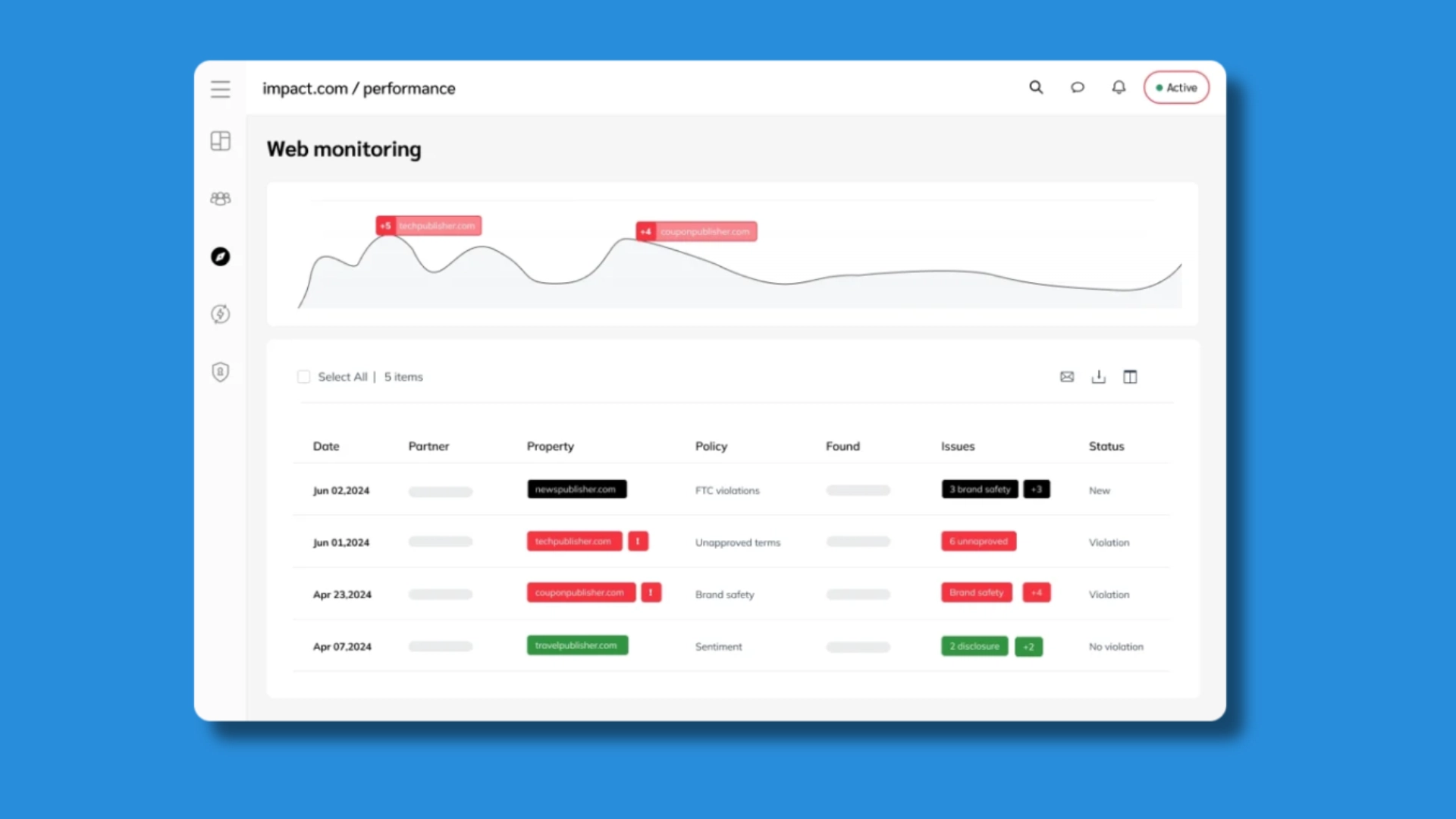
Click fraud occurs when invalid or artificial clicks are generated to manipulate tracking or attribution. For advertisers, the immediate problem is distorted data. A campaign may appear to have a large amount of publisher interest while producing little genuine customer behaviour. If a payment model includes paid clicks or if those fake clicks later manipulate conversion attribution, financial losses can become more direct. Even when the advertiser pays only for conversions, large volumes of invalid traffic can make performance analysis more difficult and increase the cost of managing the affiliate program.
The wider consequence is reduced confidence in the channel. If advertisers repeatedly see questionable traffic, they may lower commission rates, tighten approval requirements or reduce investment across all publishers, including legitimate partners. This is why fraud prevention protects more than one advertiser’s budget. It helps maintain trust throughout the affiliate ecosystem. EncoreAff’s services for advertisers emphasize advanced tracking, real-time analytics and traffic quality as core parts of performance-led partnerships.
How Does Affiliate Fraud Harm Legitimate Publishers?
Fraud is often discussed from the advertiser’s perspective, but genuine publishers can suffer just as much. When fraudulent affiliates exploit an offer, advertisers may react by introducing stricter rules, reducing payouts or closing programs entirely. Legitimate publishers then lose opportunities even though they were not responsible for the problem. Attribution fraud can create an even more direct impact if a dishonest partner manages to claim credit for conversions that should have been assigned to a publisher who genuinely introduced or influenced the customer.
Fraud also increases the level of evidence publishers may need to provide about their traffic sources. Networks can request analytics, campaign screenshots, referral information or explanations for sudden changes in performance. Although these reviews can feel inconvenient, transparent publishers usually benefit from maintaining clear records of where traffic comes from and how it is generated. EncoreAff’s services for publishers highlight real-time reporting and transparent earnings tracking, both of which become especially valuable when publishers need to understand or explain campaign performance.

What Role Do Affiliate Networks Play in Fraud Prevention?
Affiliate networks sit between advertisers and publishers, which gives them a particularly important role in fraud detection. They can compare performance across multiple partners, campaigns and advertisers, making it easier to identify patterns that one advertiser might not notice alone. Modern networks may analyse click frequency, device information, geographic patterns, conversion timing, transaction IDs and historical account behaviour. Automated systems can assign risk scores or trigger alerts when traffic behaves differently from expected patterns.
However, technology should not be the only layer. Good networks also use manual reviews, publisher communication and advertiser feedback before making serious enforcement decisions. A publisher whose campaign suddenly performs unusually well may have discovered a valuable new traffic source rather than committing fraud. Conversely, sophisticated fraud may initially appear normal until transaction quality is reviewed over time. The strongest network approach therefore combines technology, clear compliance rules and experienced human investigation.
Automated Detection vs. Human Review
Affiliate fraud prevention works best when automation and human judgment support each other rather than competing.
| Fraud-Control Method | Main Strength | Main Limitation |
|---|---|---|
| Automated traffic scoring | Reviews large volumes of activity quickly | Can produce false positives |
| Rule-based alerts | Identifies known prohibited patterns | May miss new fraud techniques |
| Device and IP analysis | Reveals repeated or unusual activity | Shared networks can create legitimate overlaps |
| Conversion-quality analysis | Shows whether leads or customers provide real value | Often requires time after conversion |
| Manual account review | Adds context and publisher communication | More resource-intensive |
| Advertiser feedback | Connects tracking data with actual customer quality | Can arrive after commissions are recorded |
Automation is especially effective for identifying activity that deserves attention, while humans remain valuable when deciding why the pattern occurred. This balance protects advertisers from fraud without creating an environment where legitimate publishers are automatically penalized by an algorithm.

How Can Publishers Protect Themselves From Fraud Accusations?
Publishers should treat traffic transparency as part of running a professional affiliate business. The first step is promoting offers only through approved traffic sources and reading the advertiser’s terms before launching a campaign. If paid search, email, social traffic, incentives or sub-affiliates require specific permission, those restrictions should be followed rather than assumed. Publishers should also monitor their own analytics so they can explain where clicks and conversions originated if a network asks for clarification.
Sub IDs and tracking parameters can make this easier by separating different pages, placements or campaigns. If one source suddenly produces suspicious results, the publisher can identify and pause it without shutting down the entire program. Working with reputable traffic partners is equally important because buying cheap traffic from unknown sources can expose the publisher to bots or manipulated activity even when the publisher did not intentionally create the fraud. Good compliance protects both commission payments and long-term advertiser relationships.
Strong Affiliate Growth Depends on Quality Traffic
Affiliate fraud will continue evolving as tracking technology, AI and traffic channels change, but the underlying principle remains simple: performance should represent genuine customer value. Publishers should be able to explain how their audiences are generated, advertisers should measure the quality behind conversions, and networks should provide the tracking and fraud-control infrastructure that keeps both sides confident.
The best affiliate ecosystems do not simply chase the highest number of clicks or conversions. They focus on verified, relevant and sustainable performance. That protects advertiser budgets, keeps legitimate publishers earning fairly and creates stronger long-term partnerships.