At first glance, SaaS and e-commerce offers both look like simple ways for publishers to monetize an audience: send traffic, earn commissions, repeat. But under the surface, they behave very differently. E-commerce offers usually chase relatively quick, lower-ticket purchases, while SaaS offers ask people to commit to subscriptions, trials and ongoing payments. That distinction changes everything about how visitors click, how long they think before buying, and what kind of content actually moves them. For publishers trying to decide where to focus their efforts, the real question is not just which pays more, but which converts better with the audience and content they already have.
TLDR
E-commerce offers usually convert faster and more often because they’re tied to quick, low-friction purchases from product-focused content and broad consumer traffic. SaaS offers convert fewer people upfront but can be far more valuable per conversion thanks to higher prices and recurring commissions, especially in professional or problem-focused niches where readers trust your advice. For most publishers, the best strategy is to use e-commerce for immediate “buy now” intent and layer in SaaS where your content goes deep into workflows and recurring pains, so you maximize both short-term conversions and long-term earnings per click.
Understanding E-commerce Offers from a Publisher’s View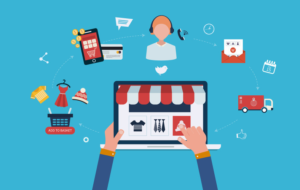
E-commerce affiliate offers are the most familiar: physical products, shopping carts, promo codes and sales. Visitors are often in a “shopping mindset” when they land on a product review, comparison or gift guide, so the distance between reading and buying can be very short. A well-timed call to action, clear pricing and strong visuals can push someone over the line within minutes. This makes e-commerce feel very satisfying for publishers because clicks can turn into sales fast, and the reporting reflects that speed. However, conversion is still influenced by details like shipping options, stock levels and trust in the retailer, which the publisher cannot fully control. The upside is that almost any niche can find relevant products to promote, and even modest conversion rates can add up when traffic and catalogs are large.
Understanding SaaS Offers and Their Longer Funnel
SaaS affiliate offers operate on a different rhythm. Instead of a quick purchase, visitors are usually invited into a longer decision process: free trials, demos, onboarding calls and subscription plans. The friction is higher because the commitment is ongoing, and the perceived risk is greater than buying a single physical item. From a publisher’s perspective, this means fewer people will convert on the first visit, and many will need to see the brand multiple times or read several pieces of content before they sign up. The trade-off is that SaaS commissions can be very attractive, especially when they are recurring. Closing one high-value SaaS customer can be worth dozens of small retail purchases, but the publisher has to accept a slower and more complex funnel, with a stronger focus on trust, authority and problem-solving content.
Traffic Intent and How It Changes Conversion Rates
Traffic intent is often the deciding factor in whether SaaS or e-commerce converts better. Visitors who arrive with queries like “best laptop under $1000” or “top gifts for new parents” are clearly in shopping mode and respond very well to e-commerce offers. They expect product links, price comparisons and recommendations, and they are prepared to buy once they find something that fits. On the other hand, visitors searching for phrases like “how to manage remote teams” or “automate invoicing for freelancers” may be more open to SaaS solutions, but they are at a more exploratory stage. They might read, bookmark, compare tools and return later. For publishers, this means that e-commerce thrives on high-intent, product-focused searches, while SaaS performs best when content taps into ongoing pains and workflows where a subscription genuinely solves a recurring problem.
Content Formats That Favor E-commerce Offers
Some types of content naturally push readers toward e-commerce offers. Product roundups, gift guides, deal posts, seasonal shopping content and detailed single-product reviews tend to convert well for physical goods. They match the mindset of readers who want a clear recommendation and a quick way to purchase. Visual content such as image-rich guides, before-and-after photos, and “what’s in my bag” style posts can also give e-commerce a strong boost, because they allow readers to imagine owning and using the product. For publishers, this makes e-commerce particularly attractive if their editorial style already leans toward tangible items, lifestyle inspiration and “here’s exactly what to buy” advice.
Content Formats That Favor SaaS Offers
SaaS offers flourish in content that goes deep into problems, processes and outcomes. In-depth tutorials, step-by-step workflows, case studies, niche comparisons and long-form problem-solving articles are ideal environments for SaaS recommendations. The goal is to show how a tool fits into someone’s life or business over time, not just at the moment of purchase. Visitors need to see that the software replaces multiple manual tasks, saves time, reduces mistakes or increases revenue. Publishers who specialize in business, productivity, digital tools, marketing or professional skills are especially well-positioned here. The more complex and recurring the reader’s problem, the more likely a carefully introduced SaaS product will eventually convert, even if the click-to-signup path is longer than an e-commerce sale.
Short-Term vs. Long-Term Earnings Per Click
When comparing SaaS and e-commerce in real-world tests, publishers often discover a pattern: e-commerce wins on short-term conversions, while SaaS can win on long-term earnings per click. An e-commerce program might generate a noticeable bump in commissions within days of launching a new article or campaign because purchases are immediate. SaaS, in contrast, might show modest numbers at first but build substantial value if those signups stick around and the program offers recurring commissions. A handful of high-quality SaaS conversions per month can eventually out-earn dozens of one-time product purchases, especially in B2B or professional niches. The key is that publishers must track not only their initial conversion rates but also the lifetime value of the customers they send.
Audience Type and Trust Level as Conversion Drivers
The type of audience you serve and the level of trust you hold with them can tilt the scales dramatically. For general consumer audiences who see you as a helpful guide but not necessarily a mission-critical advisor, e-commerce feels natural: you show them useful products, and they buy what catches their eye. For specialized or professional audiences who rely on you for expert advice—developers, marketers, freelancers, small business owners—SaaS can convert very well because they believe your recommendations for tools that affect their work and income. In those scenarios, your authority makes readers more willing to try a new platform or switch from an old one. The stronger the relationship between your brand and your readers, the more likely they are to follow you into higher-risk decisions such as subscriptions and long-term contracts.
Risk, Refunds and Churn in the Conversion Equation
Another difference between SaaS and e-commerce is how risk and refunds impact your final earnings. With physical products, returns and cancellations happen, but many affiliate programs still credit you for a large portion of completed sales, and refunds often occur within a predictable window. SaaS, however, involves ongoing churn. A reader might sign up for a free trial or a first month, generate a commission for you, and then cancel quickly, limiting the long-term value of that conversion. Some SaaS programs also delay or adjust commission payouts until a customer has stayed subscribed for a certain period. Publishers evaluating which converts “better” must think beyond first signups and look at how often those customers continue paying and how each program handles cancellations and chargebacks in its terms.
Testing Strategy: How Publishers Should Compare Offers
Instead of guessing, successful publishers run structured tests to compare SaaS and e-commerce offers. They use similar content formats and traffic sources for each type, measure click-through rates, signups, sales and eventual earnings per hundred clicks or per thousand visitors, and then watch the numbers over time. For e-commerce, most of the picture is clear within weeks; for SaaS, a meaningful verdict may take a few months as recurring commissions accumulate. The publishers who get the best answers segment their audience as well, perhaps sending one part of their traffic to e-commerce-heavy pages and another to SaaS-oriented content, then adjusting their strategy based on what works best for each segment. Over time, this reveals where e-commerce offers should stay dominant and where SaaS deserves more prominent placement.
So Which Converts Better for Publishers?
There is no single winner, but there is a clear pattern. E-commerce offers generally convert more frequently and faster, especially for broad consumer audiences and product-focused content. SaaS offers, while converting fewer visitors upfront, can deliver much higher earnings per conversion and sometimes higher long-term earnings per click, particularly in specialized or professional niches where trust is strong. For most publishers, the smartest move is not to choose one over the other, but to align each type of offer with the parts of their audience and content where it naturally fits best. When you let e-commerce handle immediate, low-friction purchases and use SaaS to monetize deeper, problem-focused journeys, you give yourself the best chance of maximizing both conversion rates and long-term revenue.