Growing sales teams often reach a point where spreadsheets and sticky notes can no longer keep pace with the number of leads and deals moving through the funnel. pipedrive positions itself as a sales CRM built to bring order to that growth, combining visual pipeline tracking with automation and AI-assisted prompts. The sections below look at how the platform’s core features fit together across the sales process.
Visual Deal Tracking as the Foundation of the Sales Process
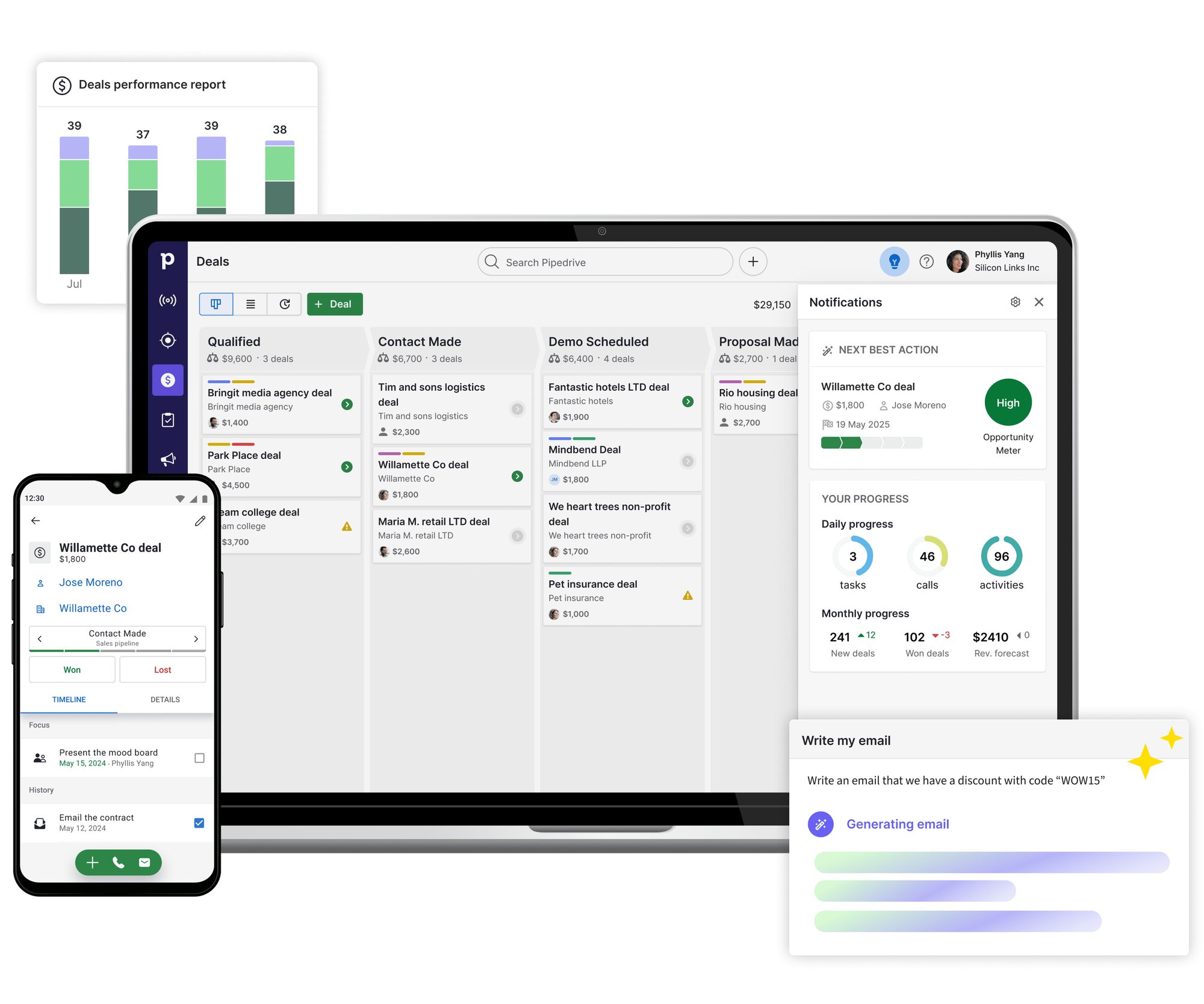
Pipeline management is the practice of keeping every deal organised as it moves from first contact through to close, and it is the foundation pipedrive is built around. The platform gives a customisable, visual view of each deal, stage and activity, so reps and managers can see where things stand without digging through notes or separate spreadsheets. Pipelines can be tailored with custom fields and stages that reflect how a particular team actually sells, rather than forcing a generic structure onto the sales process.
Because each stage can carry its own next steps, reps know what to do with a deal the moment it lands in their queue. This visibility also helps surface bottlenecks, showing where opportunities are stalling so that attention can be redirected before a deal goes cold. For teams scaling headcount, this kind of shared, visual sales pipeline management reduces the ambiguity that often creeps in when more people are working the same funnel.
Lead Capture and Routing Through Pipedrive’s LeadBooster
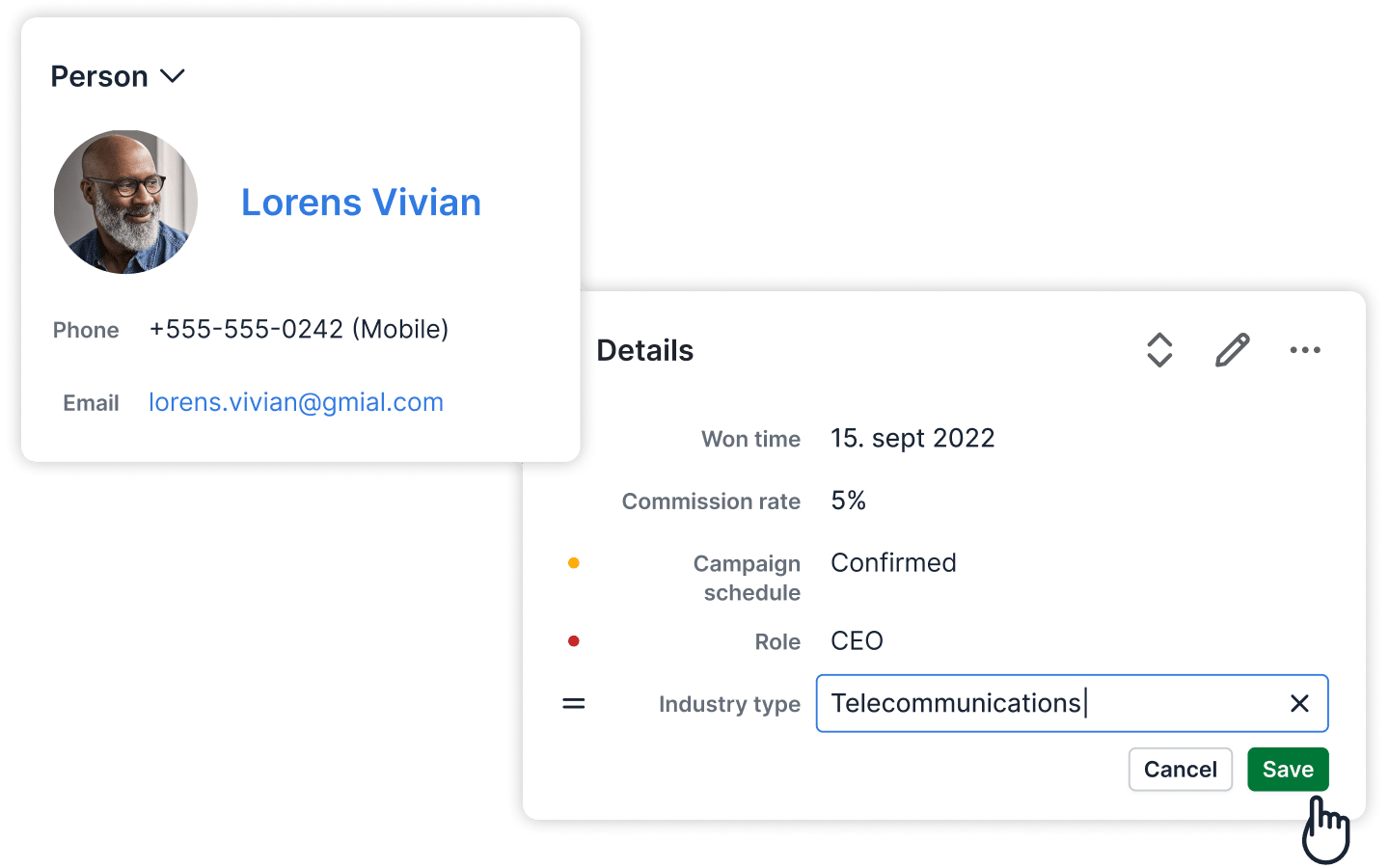
Before a deal can move through a pipeline, it has to be captured, and pipedrive handles this through a feature set called LeadBooster. It combines Web Forms, a conversational Chatbot and Live Chat to pull in leads from multiple channels, while a Leads Inbox keeps those contacts organised until they are qualified and ready to become active deals. This separation between leads and deals gives teams a holding area for prospects that have not yet earned a spot in the main sales pipeline.
Once leads are flowing in from several sources at once, manual qualification and assignment can slow everything down and let opportunities slip through the cracks. A dedicated capture and routing layer like this is meant to prevent that delay, keeping new contacts visible and ready for follow-up rather than scattered across inboxes and spreadsheets. For teams fielding inbound interest from a website, a chat widget and forms simultaneously, that consolidation point matters as volume increases.
Automating Repetitive Sales Tasks With Pipedrive’s Workflow Tools

As a sales team grows, the administrative load tends to grow with it, and manual follow-ups, assignments and deal updates start eating into time that could be spent selling. Automation tools built into the platform are designed to take on these repetitive steps, from capturing and routing leads to triggering follow-ups and suggesting what to do next on a given deal. The intent is to let reps stay focused on conversations that actually move deals forward rather than on administrative upkeep.
Good sales automation should be straightforward to set up, flexible enough to cover assignments, updates and activities, and connected to the rest of the CRM so nothing operates in isolation. pipedrive brings flexible workflows, simple setup without heavy IT involvement, and CRM-native automation together in one place, which also gives managers a way to standardise how work gets done across a growing team. That standardisation becomes more valuable as more reps join and need to follow the same process rather than their own individual habits.
Pipedrive’s AI-Powered Deal Prioritisation and Email Tools

Knowing which deals deserve attention first is its own challenge once a pipeline fills up, and this is where AI-powered prompts are layered into the workspace. The platform offers AI suggestions aimed at helping reps prioritise the right leads and deals, alongside forecasting, goal-setting and team monitoring tools meant to support more informed, swifter decisions. A feature referred to as Pulse is designed to help reps work out what to prioritise among the opportunities sitting in their pipeline.
These AI-assisted prompts are paired with automated lead nurturing, so that follow-ups are less likely to be missed even when a rep is juggling many open conversations at once. Rather than replacing judgement, the aim described on the brand’s own site is to focus attention and surface recommended next steps, leaving the final call with the person running the deal.
Email Tracking and Unified Communication in Pipedrive
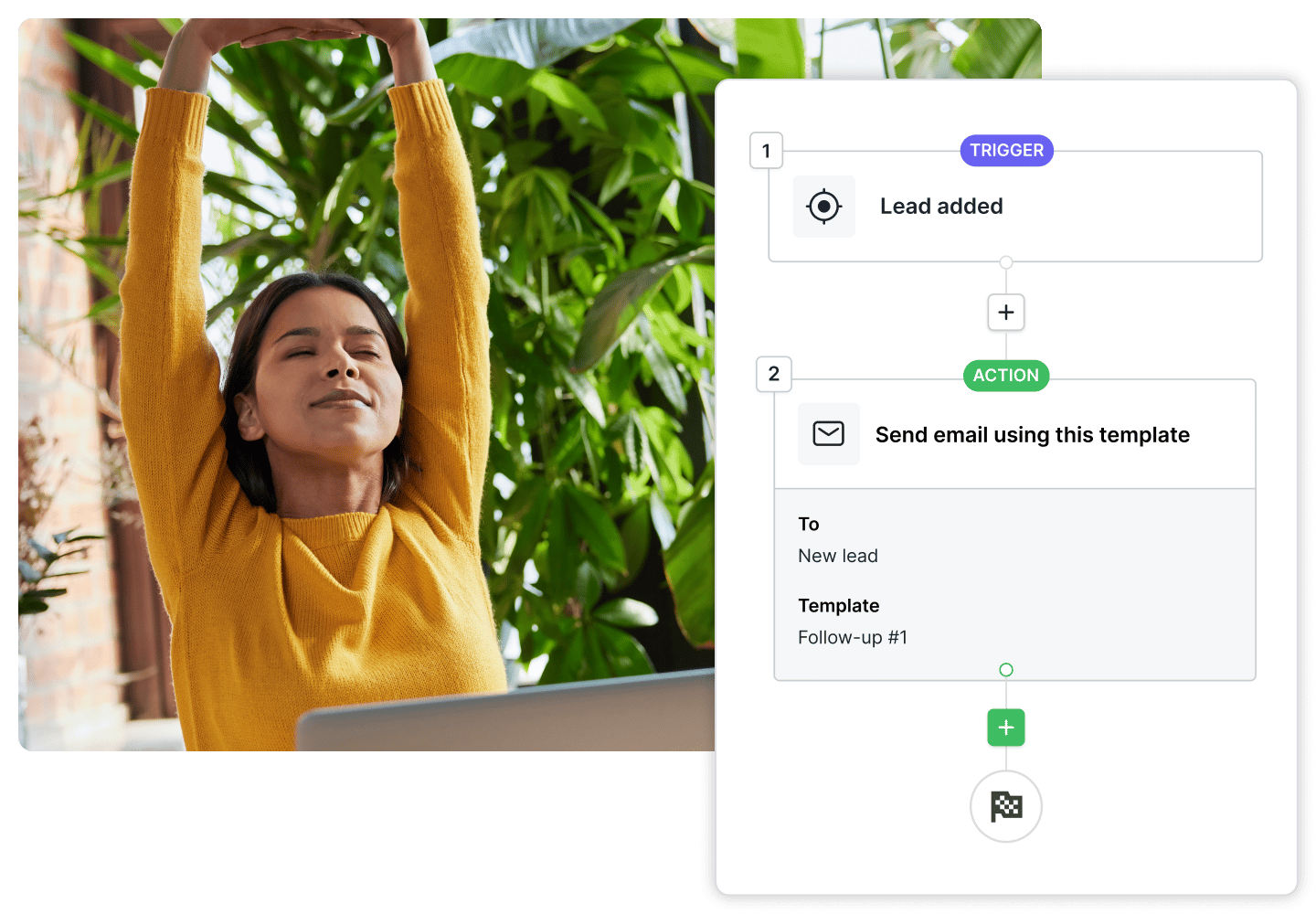
Despite the growth of other channels, email remains one of the most effective and affordable tools for nurturing prospects, and a set of communication features is built around it. These include open and click tracking, sales templates and email automations, all intended to help reps stay in contact with prospects at the right moment without constant manual effort. Contacts are organised into people and organisations categories and linked to the deals they are associated with, which keeps the relationship history attached to the right record.
A visual history of calls, emails and activities tied to any contact or deal is also part of the offering, making it easier to check what was discussed previously before following up again. Google and Microsoft calendars, emails and contacts can be synced as well, alongside integrated calling and meeting scheduling, pulling communication tools into the same workspace as the pipeline itself.
Results Organisations Achieve With Pipedrive’s Sales System
pipedrive publishes a handful of figures describing outcomes reported by customers using its lead and deal management features. These numbers speak to pipeline growth, deal value and the speed at which deals get closed, which are the three areas most directly tied to sales pipeline management in general.
- Customers report increasing the number of deals in their pipeline by an average of 93%.
- Customers report increasing the average value of their closed deals by 21%.
- Customers report reducing the time it takes to close a deal by 46%.
Taken together, these figures suggest that the combination of visual pipeline tracking, automated lead nurturing and AI-assisted prioritisation is aimed squarely at the metrics sales leaders already watch most closely. A platform used by over 100,000 companies across 179 countries, according to its own site, is also positioned with more than 500 integrations, which matters for teams that rely on other tools alongside a CRM.
Sales teams evaluating a new system tend to weigh pipeline visibility, automation and reporting against how much setup effort each one demands. Tying those elements together in a single workspace rather than leaving them as separate tools is the core of what is on offer here.