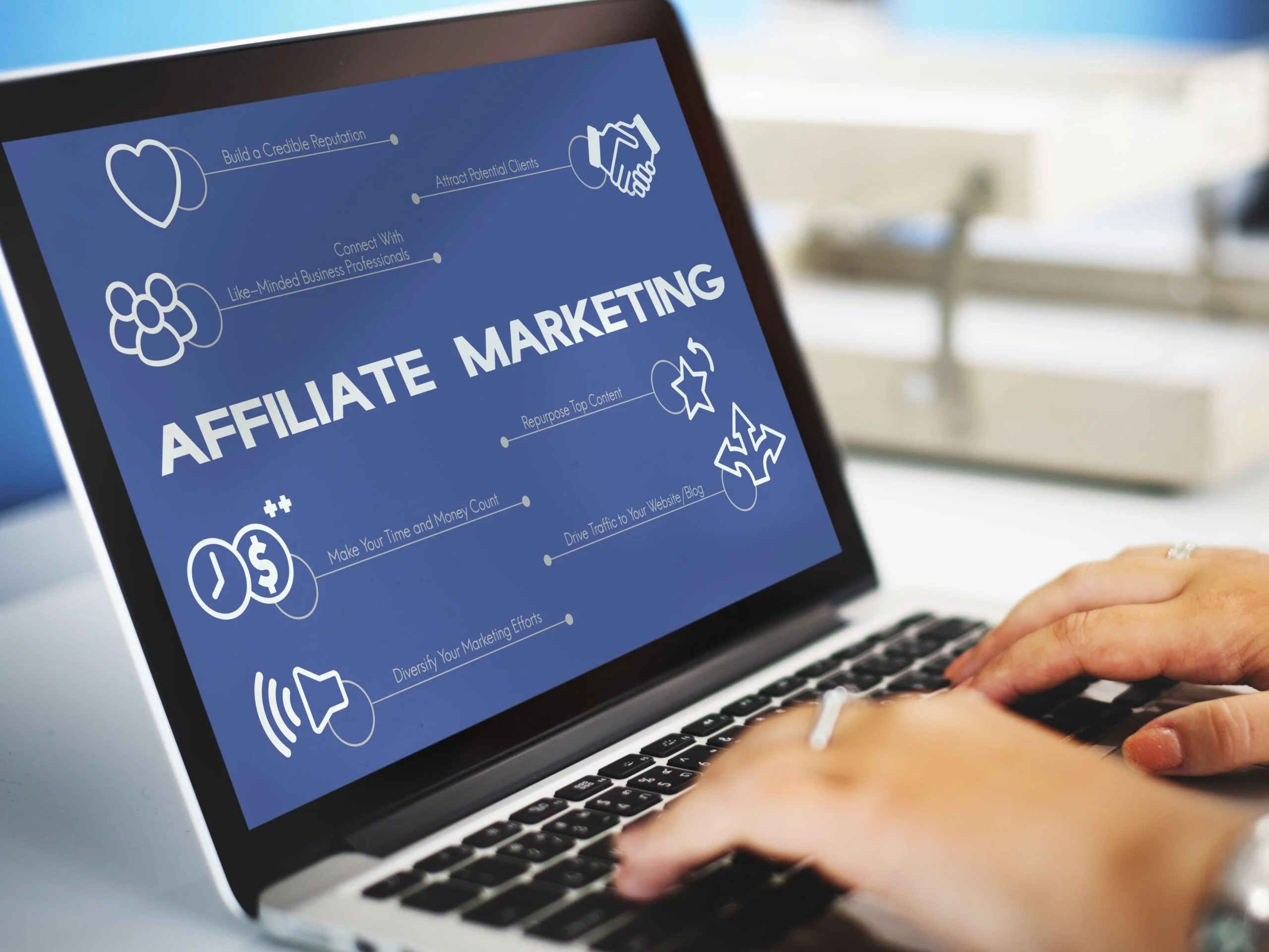
Most affiliate success stories don’t start with a big media budget or a team of SEO specialists. They usually begin with one person, a passion topic and a WordPress template that’s trying its best. This case study is about one such niche blog a site that began as a quiet corner of the internet and grew into a revenue-generating machine with a place in top-tier affiliate programs.
It wasn’t luck. It wasn’t timing. It was a series of smart, strategic shifts that turned a modest hobby project into a business that brands now pitch not the other way around.
Here’s how the transformation happened.
Background: A Tiny Niche Site With Big Potential
The publisher behind this case study started with a hyper-specific content niche: a category so narrow most people would assume it couldn’t drive meaningful traffic. Think micro-hobby, micro-community, micro-everything.
But what the niche lacked in size, it made up for in:
-
Highly invested readers
-
Strong purchase intent
-
Underserved search queries
-
A community hungry for trustworthy recommendations
The blog averaged about 12,000 monthly pageviews — respectable, but not enough to earn the attention of major affiliate programs or secure high commission rates.
Revenue? A few hundred dollars per month on a good month.
Then everything changed.
Phase 1: Building Authoritative, AI-Friendly Content

AI didn’t kill content — it made structured, expertise-driven content more valuable. The publisher noticed something subtle happening in Google’s AI-generated answers: the AI was pulling from articles that looked clean, direct and authoritative.
So the publisher restructured the entire content approach.
Step 1: Switching from listicles to “Best for X” use cases
Instead of generic “Best products for…” articles, the blog started targeting precise user needs:
-
Best X for beginners
-
Best X for small spaces
-
Best X for professionals
-
Best X under $100
These mirrored search queries and gave AI a clear, structured answer to pull from.
Step 2: Answering user intent at the top of articles
Each post opened with a two-sentence direct answer — essentially written for featured snippets and AI overviews.
Step 3: Adding mini-tables and scannable comparisons
AI loves structure. So do readers.
Step 4: Showing clear expertise
Instead of rewriting manufacturer descriptions, the publisher included:
-
Hands-on testing notes
-
Photos
-
Pros and cons based on actual use
-
Comparisons against older models
Traffic didn’t explode overnight, but rankings improved across dozens of long-tail keywords the exact kinds that convert in affiliate programs.
Phase 2: Upgrading the Monetization Engine
Once traffic stabilised, the next task was revenue optimisation. This is where most niche blogs leave money on the table without realizing it.
The publisher implemented three key upgrades.
1. Smart link automation
The blog previously relied on manual linking meaning dozens of unmonetised product mentions and broken links. Smart link automation:
-
Scanned all existing content
-
Added or corrected affiliate links
-
Redirected users to in-stock, higher-paying merchants
Revenue increased by 90% in the first month alone.
2. Multi-merchant linking
Instead of sending readers to a single retailer, posts included:
-
A primary merchant
-
A price-check option
-
A specialty retailer for enthusiasts
Conversions rose simply because people could buy from their preferred shop.
3. Vertical-specific affiliate programs
The publisher joined smaller, niche-focused affiliate networks that offered:
-
Higher commissions
-
Better product availability
-
More relevant audiences
Brands in the niche began reaching out directly something that never happened before.
Phase 3: Building E-E-A-T (Experience, Expertise, Authority, Trust)

Search engines and readers want proof. The publisher invested heavily in showing real-person credibility. That meant:
Adding a detailed About page
Not fluff. Real background, qualifications and motivation.
Including personal testing notes
Each product review answered:
-
“Who is this for?”
-
“Who isn’t this for?”
-
“How long was it tested?”
-
“What alternatives did we consider?”
Citing trustworthy sources
Industry data, studies and product manuals were consistently linked.
Updating articles quarterly
Freshness signals boosted rankings while ensuring accuracy.
Creating a brand persona
Readers knew the author’s tone, preferences and viewpoint which created loyalty.
This was the turning point where the blog shifted from “another affiliate site” to “the go-to source” in its niche.
Phase 4: Scaling Without Sacrificing Quality
Instead of publishing more, the publisher published smarter.
The content strategy switched to:
-
Deep comparison articles
-
Seasonal buying guides
-
FAQ-based posts answering common reader questions
-
Problem-solution articles (high converters)
-
Tutorials that linked naturally to product recommendations
Every piece was designed to:
-
Rank well
-
Convert strongly
-
Fit into AI overviews
-
Serve real readers, not algorithms
Monthly pageviews rose from 12,000 to 85,000 in 14 months all in an extremely small niche.
The Results: A Niche Blog Becomes a Top-Tier Affiliate Brand

Within 18 months, the blog:
-
Increased revenue by more than 600%
-
Secured top-tier commission rates in multiple affiliate programs
-
Earned direct partnerships with brands previously out of reach
-
Built an email list that converted at 18% on product launches
-
Attracted PR mentions as a category expert
-
Achieved AI-overview placements across multiple queries
But the biggest win was this:
The site no longer depended on unpredictable algorithm updates. It had built authority, trust, and a strong reader base the foundation of every sustainable affiliate business.
The Playbook Any Niche Blog Can Use
This case study isn’t about luck. It’s about stacking smart decisions:
-
Write with structure and clarity for humans and AI.
-
Focus on specific user scenarios, not broad keywords.
-
Build E-E-A-T with genuine testing and transparency.
-
Automate linking to stop losing revenue invisibly.
-
Prioritise content quality over content volume.
The publisher didn’t change niches. The publisher changed strategy.
And that’s what turned a small, quiet blog into a thriving affiliate business that brands now treat as a partner not a line item.